MILES 4MISSIONSNov 16–18: Chuck and Joe walk and bike 80 miles for four NJ neighborsFollow the trek & donate
Stucco, brick, block and foundations

Coatings that keep the rain out and let the wall breathe

Masonry holds water. Stucco, brick, block and concrete all take moisture in through the face and the joints, and they have to be able to let it back out as vapor. Seal a wall with the wrong product and the water stays inside: paint bubbles and peels, brick faces spall, stucco stains and crumbles. We apply breathable water repellents and coatings on New Jersey homes and buildings, after the cracks, joints and flashings that let the water in are repaired, so the wall sheds rain and still dries.

  • Since 199035+ years on NJ masonry
  • 10–25 yrService life by system
  • Repairs firstCracks and joints before any coating
  • Vapor-openOnly permeable systems on masonry
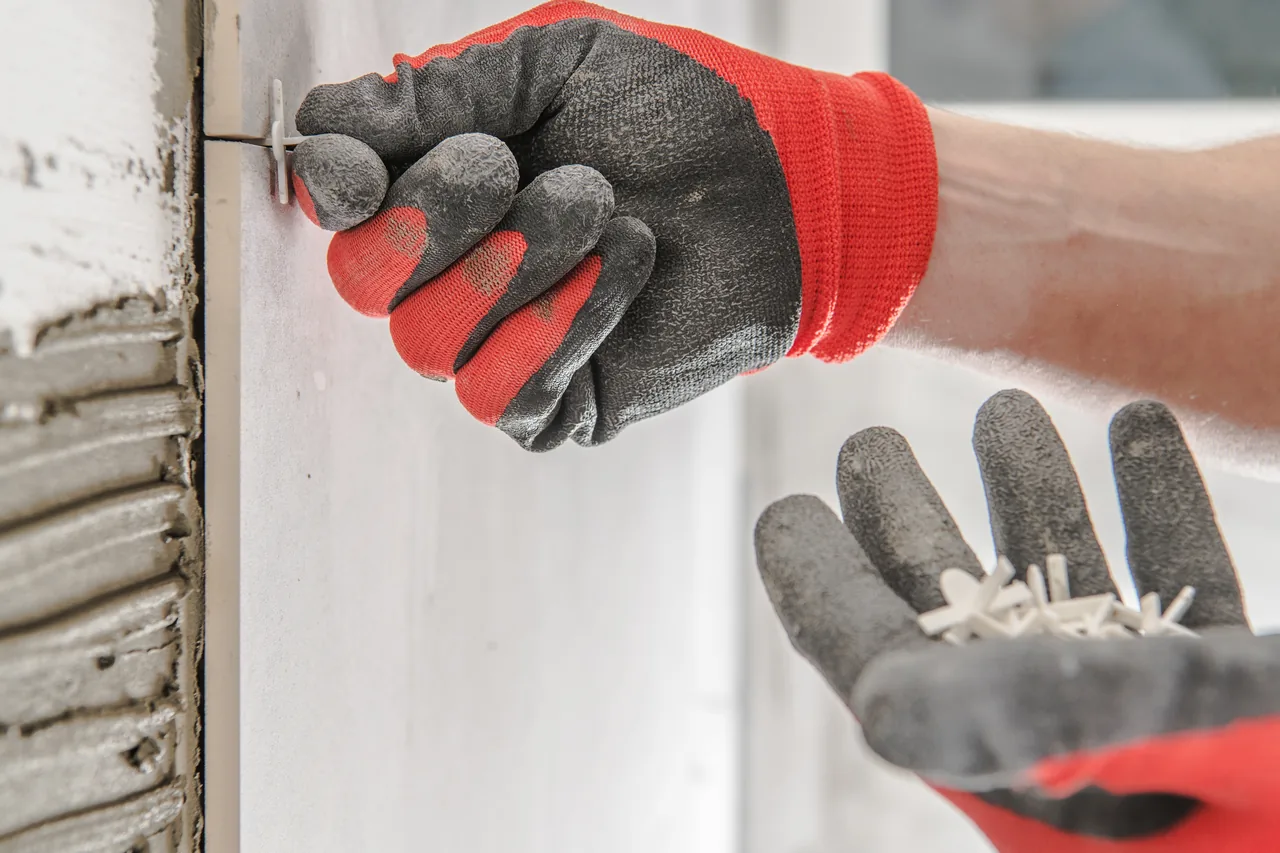
A mason's gloved hands setting spacers at the edge of a freshly prepared wall before the finish goes on
The coating is the last step: the wall is repaired, cleaned and dry before anything goes on it
  • Exterior Services Since 1990
  • 30M+ sq ft of Roofing & Exteriors Installed
  • 25,000+ Satisfied Clients
  • A Legacy of Giving: $1.5M+ Donated
Signs

What a wall that cannot breathe looks like

Most of the coating failures we are called to fix were caused by a coating. Six things we see on New Jersey masonry, and what each one means.

01

Paint bubbling and peeling off brick or stucco

Usually: an ordinary exterior paint, or a non-breathable sealer, trapping moisture that is pushing outward.

We do: strip or wash back to sound masonry, let it dry, and re-coat with a vapor-permeable system.
02

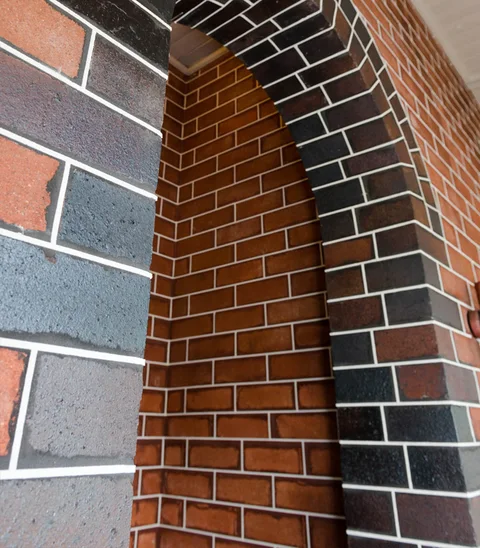
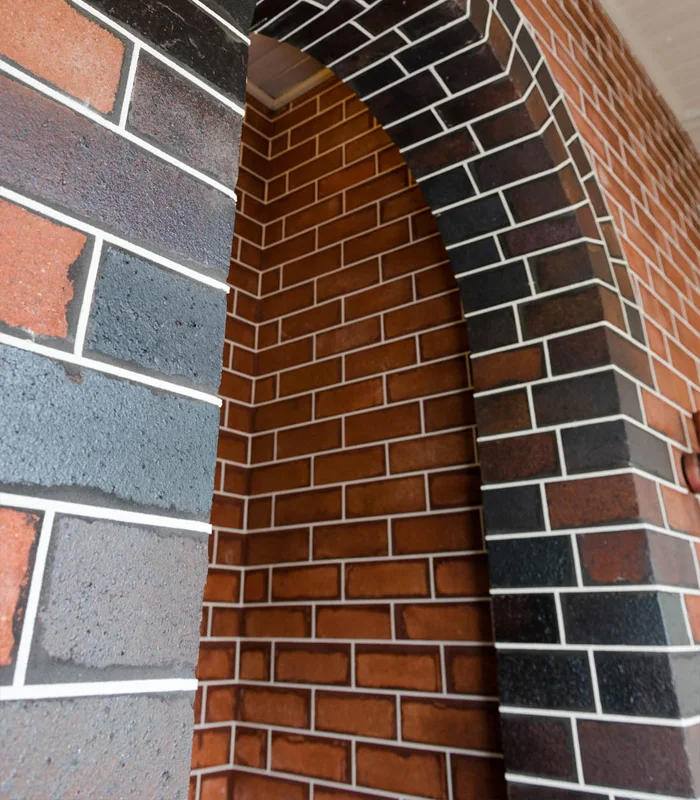
Brick faces flaking off (spalling)

Usually: water trapped behind a film or in soft brick, freezing and expanding through the winter.

We do: replace the spalled brick, repoint the joints, and apply a penetrating repellent that never forms a skin.

03

White powder on the surface (efflorescence)

Usually: water moving through the wall and leaving its salts behind as it dries. It tells you where the water is getting in.

We do: find and fix the entry point, wash the salts off, then seal. Coating over efflorescence hides the symptom for a season.

04

Hairline cracks across stucco or a parapet

Usually: curing and movement; harmless on their own, but every crack is a way in for wind-driven rain.

We do: fill the wider ones, then a breathable elastomeric coating that bridges the fine ones and moves with the wall.

05

Dark, damp patches that never dry

Usually: split-face block or old brick that has no repellent at all, soaking up every rain, or a missing flashing above the patch.

We do: flashing and joint repairs first, then a penetrating repellent or a pore-filling block coating.

06

A wet basement wall behind a "waterproof" paint

Usually: an interior paint asked to hold back groundwater. It cannot; it blisters and the wall stays wet.

We do: move the fix outside: grading, drainage and a below-grade membrane, with a breathable coating on the exposed foundation above it.

  • Clear silane and siloxane water repellents on brick, stone and block
  • Breathable elastomeric coatings on stucco, EIFS and parapets
  • Mineral silicate and breathable acrylic masonry paints
  • Pore-filling coatings on split-face and smooth block
  • Above-grade foundation coatings and parging repairs
  • Below-grade waterproofing membranes and drainage
  • Crack filling, repointing and flashing repairs before coating
  • Stripping of failed paint and non-breathable sealers
  • Efflorescence and biological growth removal
  • Moisture testing and written reports before and after
Systems

Which breathable system your wall needs

"Breathable" means the coating lets water vapor pass through it, measured as permeance. A wall coating should be well above the level that traps moisture; a film-forming house paint usually is not. These are the systems we use and where each belongs.

Penetrating water repellents silane, siloxane, siloxane blends

What: a clear liquid that soaks into brick, stone, block and concrete and lines the pores so water beads off, without forming a film.

Why: invisible, fully vapor-open, and the right answer for most brick and stone walls that are sound but drink in the rain.

Expected life 10–15 yr

Breathable elastomeric coatings high-build, crack-bridging

What: a thick, flexible, pigmented coating formulated to stay permeable while it stretches across hairline cracks.

Why: the choice for cracked but sound stucco, parapets and block walls that take wind-driven rain. Not every elastomeric breathes; we specify the ones that do.

Expected life 10–15 yr

Mineral silicate paints potassium silicate

What: a mineral paint that bonds chemically with the masonry instead of sitting on it, with a matte, natural finish.

Why: among the most vapor-open finishes made; it cannot peel because there is no film. Ideal for historic brick, stucco and lime-based walls.

Expected life 15–25 yr

Breathable acrylic masonry finishes stucco and EIFS re-coats

What: an exterior acrylic finish made for stucco and EIFS, with the permeance those systems need.

Why: new colour and a uniform texture on tired stucco at a fraction of the cost of re-stuccoing; the same finish coat the stucco manufacturers specify.

Expected life 15–25 yr

Block and foundation coatings pore-filling, above grade

What: a heavier breathable coating that fills the open texture of split-face and smooth block and the parged face of a foundation.

Why: split-face block takes in water through its face and its mortar joints at the same time; a repellent alone is often not enough.

Expected life 10–15 yr

What we do not put on masonry and why

What: ordinary exterior house paint, oil-based primers, "waterproofing" paints inside a basement, and clear sealers that form a gloss skin.

Why: they trap water in the wall. Within a few winters the paint peels, the brick spalls and the owner pays to strip it. If a wall already has one of these, we say so before we quote.

Stripped, not re-coated
A repointed brick arch and the stone foundation below it, ready for a breathable repellent
Above grade the foundation has to breathe; below grade it has to be waterproof. Two different products, one job.
Foundations

Why the foundation gets two different coatings

The part of the foundation you can see takes rain and splash-back and dries in the sun, so it needs a breathable coating like any other wall. The part that is buried sits against wet soil and never dries, so it needs the opposite: a waterproofing membrane and somewhere for the water to go.

  1. 01
    Above gradeLoose parging removed and re-parged, cracks filled, then a breathable foundation coating or a mineral paint. The wall sheds rain and still dries outward.
  2. 02
    At gradeSoil graded away from the house, downspouts extended, window wells drained. Most "foundation leaks" we see are a gutter problem.
  3. 03
    Below gradeExcavation where it is warranted, the wall cleaned and cracks sealed, a waterproofing membrane applied, a drainage board and a footing drain, then backfill.
  4. 04
    InsideNo waterproofing paint on the inside of a block wall. If water is coming through, we stop it outside or manage it with an interior drain and a sump, never with a coating.

Tuck pointing and waterproofing on the whole building is its own service: see how we repoint and waterproof masonry walls.

Power washing and exterior waterproofing packages

Gold, Platinum and Diamond

Cleaning as an early damage identification system, then repairs, sealing or a complete new surface, depending on what the wall needs.

Gold

Extending the life of the exterior while preventing moisture intrusion

  • Cleaning: Professional power washing to remove organic growth and debris
  • Leak mitigation: Obvious voids and damaged areas that let water in identified and sealed

Best for: Immediate maintenance: stop active leaks and clean the building's exterior

Platinum

Additional protection against weathering and long-term moisture

  • Structural repairs: More extensive and permanent masonry and surface repairs
  • Protective sealant: A premium clear or colour-based waterproofing sealer

Best for: Buildings that need lasting protection against weathering

Diamond

Total aesthetic renovation and maximum-grade moisture shielding

  • Surface transformation: New synthetic or traditional stucco
  • Encapsulation: A complete overcoat of the existing brick, stone or block, with optional insulating board, for a modern look and ultimate durability

Best for: A full exterior renovation with the strongest moisture defence

No prices on this page on purpose: every package is scoped and priced after the inspection, and the exact terms go into your written proposal. Bring any other written proposal: same scope, same warranty, we beat it.

Request a Free Estimate →
Why Roof4Roof

The coating is the last ten percent of the job

A painting crew coats the wall it is shown. We are roofers and masons first, so we look for where the water is getting in before we decide what goes on the outside. Four things we do on every coating job that most crews do not:

  • Moisture-tested before and afterReadings on the wall before we quote and before we coat. A damp wall under a fresh coating fails in the first winter.
  • Repairs before coatingsSpalled brick replaced, joints repointed, cracks filled, flashings and caps fixed. A coating over a bad joint is a leak with a nicer colour.
  • The right permeance, in writingThe product and its vapor-permeance rating are named on the proposal, so you know what went on your wall and can maintain it later.
  • The owners' direct line on every documentIssues answered within 48 hours, most within 24. The owners' contact details are printed on every proposal and invoice.

And a share of this job funds a roof for a family in need, through our One4One program.

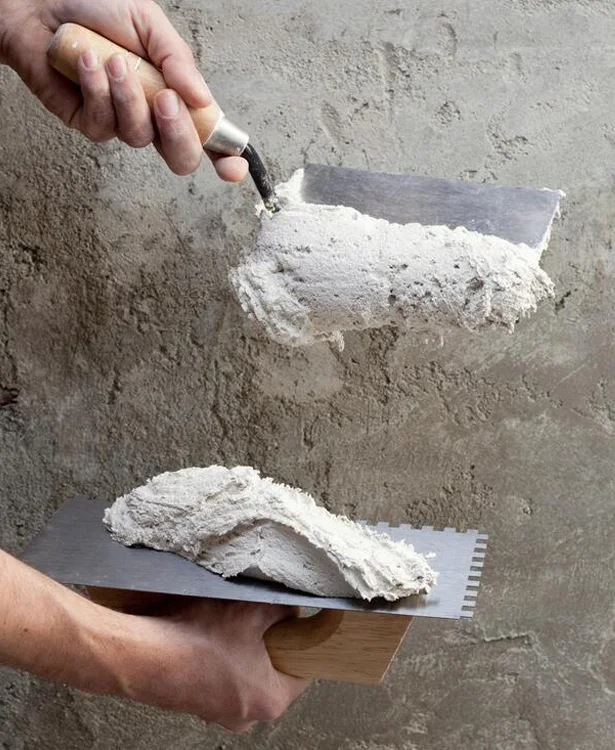
A mason's hawk and trowel loaded with stucco in front of a scratch-coated wall
Inspect, repair, coat

How a coating job runs with us

Step 01

Inspect

Every elevation looked at, joints and flashings checked, moisture readings on the suspect areas, the existing coating identified. Free, with a written report and photos.

01
Step 02

Propose

The repairs, the system and its permeance, the colour or clear finish, the warranty and the price, in writing. Repair-only is always one of the options.

02
Step 03

Repair and prepare

Failed paint stripped, brick replaced, joints repointed, cracks filled, the wall washed and left to dry. Then the moisture is checked again before a drop goes on.

03
Step 04

Coat and protect

Applied at the coverage the manufacturer specifies, in weather that lets it cure. Walkthrough, closeout photos, the product named on your warranty and a maintenance interval you can plan for.

04
Cost & financing

What breathable coatings cost in New Jersey

The wall area, the condition of the joints and cracks, the system and the access decide the price. Most of the cost on an older wall is the repair and preparation, not the coating. These are honest ranges; your written estimate is free and exact.

Clear penetrating repellent
Priced per square foot of wall after washing; the lowest-cost protection for sound brick, stone and block
Breathable elastomeric or acrylic finish
Priced per square foot by the number of coats and the crack repair under it; a fraction of re-stuccoing
Repairs before coating
Repointing, brick replacement and flashing fixes quoted line by line, so you see what is wall and what is coating
Foundation waterproofing
Above-grade coatings from a few hundred dollars per elevation; below-grade membranes and drainage quoted after the inspection
100% financing

Pay for the wall the way that suits you

Residential financing through Service Finance Company for qualified applicants, including same-as-cash and fixed-rate plans. Terms are confirmed in writing before you sign.

Financing options →

Commercial and multifamily buildings: phased by elevation and scheduled around tenants.

FAQ

Coating questions, answered straight

What New Jersey owners ask us before they sign.

Have a question not listed here? Call (201) 267-3000 or request an estimate.

01What does "breathable" actually mean?+

That the coating lets water vapor pass through it while it keeps liquid water out. Masonry always holds some moisture; a breathable coating lets that moisture leave as vapor instead of being trapped behind a film, which is what makes paint peel and brick spall.

02Can I just paint my brick house?+

Not with ordinary exterior paint. Painted brick looks fine for a few years, then the paint peels and the brick faces start coming off, and stripping it is expensive. If you want colour on brick, a mineral silicate paint or a breathable masonry coating gives you the look without sealing the wall.

03Will a clear sealer change how my brick or stone looks?+

A penetrating silane or siloxane repellent does not: it soaks in and leaves no gloss or darkening once it cures. Film-forming "wet look" sealers do change the look, and they are the ones that trap water, so we do not use them on walls.

04How long does a breathable coating last?+

Penetrating repellents 10 to 15 years, breathable elastomerics 10 to 15, acrylic stucco finishes 15 to 25, mineral silicate paints 15 to 25 and sometimes longer. All of them last longer on a wall whose joints and flashings were repaired first.

05Do you have to repoint before you seal?+

Where the joints have failed, yes. A repellent lines the pores of sound mortar; it cannot fill a joint that has washed out. We repoint the failed joints, let the mortar cure, then apply the repellent to the whole wall.

06My stucco has hairline cracks everywhere. Coating or re-stucco?+

If the stucco is sound, not hollow and not stained from behind, a breathable elastomeric or acrylic finish bridges the hairlines and gives you a new colour for a fraction of the cost. If it is bulging or soft, it comes off first. See our stucco repair and replacement page.

07Can you waterproof my basement from the inside?+

Not with a coating. Interior waterproofing paints blister because the water is pushing from the soil side. Water is stopped outside, with grading, drainage and a below-grade membrane, or managed inside with a drain and a sump. We tell you which before you spend anything.

08Where do you work?+

Homes across Northern and Central New Jersey, including Bergen, Hudson, Essex, Passaic, Morris, Union, Middlesex, Somerset, Hunterdon and Sussex counties. Commercial, multifamily and institutional masonry across the whole of New Jersey.

Reviews

From people whose walls we sealed

Read all Google reviews →
★★★★★

"They repointed my brick chimney and repaired stucco trim in Wyckoff using breathable mortar and elastomeric coating, and power washed the exterior. The crisp finish looks brand-new."

Carlos Andrés QuicenoPosted on Google
★★★★★

"Roof4Roof was very professional, the employees were courteous and respectful with my property. The job was completed on time. All debris was cleaned and removed from the job site. We would not hesitate to recommend Roof4Roof."

Gregory St. LucePosted on Google
★★★★★

"Work was done on time as promised. The staff was very polite and professional. Work area was left very clean and neat. I had no problems with this project, they handled everything."

Candido NunezPosted on Google
One4One

A share of every job funds a roof, a repair or a home for a family in need, in New Jersey and abroad: $1.5M+ donated and 1,300+ families helped since 2010.

How One4One works →
Free estimate

Find out what your wall is holding before you seal it in

Moisture readings, a look at every joint and flashing, and a written proposal that names the repairs, the system and its permeance, with the price next to each.

Request a Free Estimate

A real person calls you back within 24 hours.

Your information stays private. We never share your details.