
Roof size
More square footage means more shingles, underlayment, labor, disposal and time. Roof surface, not floor area: pitch adds 5 to 40 percent.
Try "ice dam", "financing", "Montclair", "flat roof coating" or "Colombia".
Most full roof replacements on a New Jersey home land between $8,000 and $18,000, and some go well past that. The spread is not random: it comes from roof size, pitch, material, how many layers come off, what the decking looks like underneath, and the chimneys, skylights and valleys that have to be flashed. This guide gives you real planning ranges, an estimator, and the questions to ask before you compare quotes.
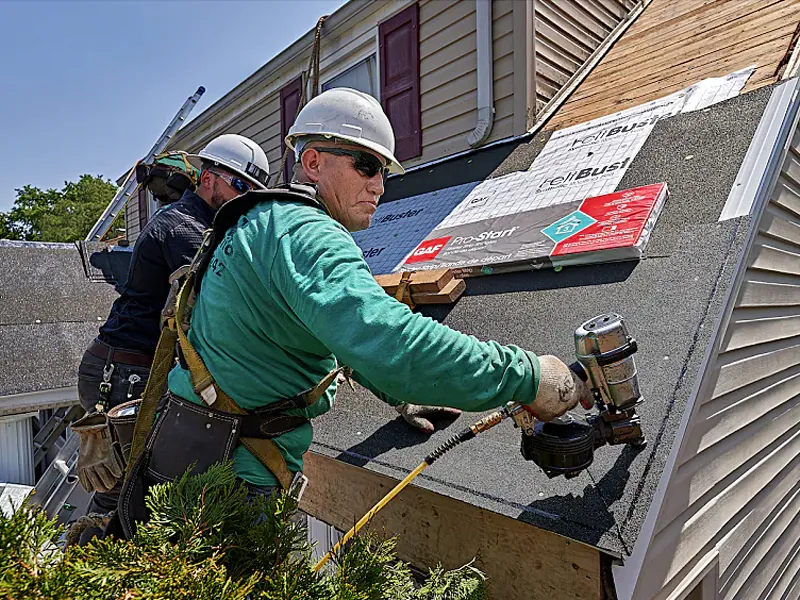
Installed prices per square foot of roof surface, including tear-off, underlayment, standard flashing and disposal. The two project columns use a 1,500 and a 2,500 square foot roof, the common sizes for a Cape and a colonial in our area.
| Roof type | Per sq ft | 1,500 sq ft roof | 2,500 sq ft roof | Best for |
|---|---|---|---|---|
| Asphalt shingle architectural, lifetime shingles | $6 – $10+ | $9,000 – $15,000+ | $15,000 – $25,000+ | Most homes: the best balance of cost, life and warranty. Shingle replacement |
| Flat roof replacement EPDM, TPO, PVC, modified bitumen | $10 – $18+ | $15,000 – $27,000+ | $25,000 – $45,000+ | Low-slope homes, additions, multi-family and commercial roofs. Flat roofs |
| Flat roof coating system silicone or acrylic restoration | $5 – $8+ | $7,500 – $12,000+ | $12,500 – $20,000+ | Flat roofs with a sound deck and dry insulation; adds 20 to 50 warranted years. Coating systems |
| Slate, tile or wood natural slate, clay, concrete, cedar | $18 – $35+ | $27,000 – $52,500+ | $45,000 – $87,500+ | Premium, historic and landmark roofs; usually restored rather than replaced. Slate and tile |
A coating is not a replacement: the existing roof has to be inspected first. Wet insulation, widespread membrane failure, structural movement or drainage problems mean replacement instead. Ranges are for planning; your written proposal follows an inspection.
Enter the footprint of the house, pick the pitch and the roof type, and the estimator applies the same planning ranges we use on the phone. It cannot see your decking or your flashing, which is why the result is a range, not a price.
Two roofs with the same square footage can be thousands apart. These are the things that move a roof from the low end of a range to the high end, and the ones other quotes tend to leave out.
More square footage means more shingles, underlayment, labor, disposal and time. Roof surface, not floor area: pitch adds 5 to 40 percent.
Steep roofs need staging, harnesses and slower, more careful work. Anything over 8:12 is priced as steep.
Architectural shingles are the value choice; designer shingles, metal, slate and tile cost more and last longer. Gold, Platinum and Diamond packages change the shingle, the components and the workmanship warranty.
A second layer of shingles doubles the tear-off and the dumpster. We always tear off; layovers hide rot and void most warranties.
Soft or rotten plywood is replaced per sheet. It cannot be priced until the old roof is off, so the proposal names the per-sheet rate.
Chimneys, walls, skylights and valleys are where roofs leak. Proper step and counter flashing in metal costs more than caulk and lasts decades longer.
Each one is re-flashed; crowns, caps and old skylights are often replaced while the roof is open, which is cheaper than coming back.
Poor attic ventilation shortens shingle life and causes ice dams. A replacement is the time to add intake and ridge venting.
Tight driveways, mature landscaping, three storeys or a roof over a conservatory all slow the crew and add protection work.
Most New Jersey municipalities require a permit for a replacement. The fee is on the proposal; we pull it and close it out.
Dumpster size, number of hauls and the weight of what comes off. Slate and tile cost more to dispose of than shingles.
Active leaks add tarping and after-hours work. Planned replacements in late fall and winter are often priced better than peak season.
The square footage is only half the story. The situation you are in, and how much is still unknown, sets the rest.
| Project situation | Typical budget | What changes the price |
|---|---|---|
| Roof repair | Low hundreds to low thousands | Leak location, flashing condition, how much has to come apart, matching material, and hidden water damage found on the way. Repairs |
| Standard replacement | Middle of the planning range | Size, material, tear-off, disposal, permit, ventilation and standard flashing details. The roofs the table above describes. |
| Complex replacement | Upper planning range and above | Steep pitch, multiple layers, damaged decking, many valleys, several chimneys and skylights, dormers, limited access or specialty materials. |
| Emergency leak | Adds the call-out and temporary protection | Active water entry, tarping, after-hours scheduling and interior protection, then the permanent repair or replacement quoted in daylight. Emergency service |
| Commercial or multi-family | Scope-based, often phased | System type, drainage, penetrations, safety and tenant coordination, access, warranty requirements and whether restoration can replace a tear-off. Commercial roofing |
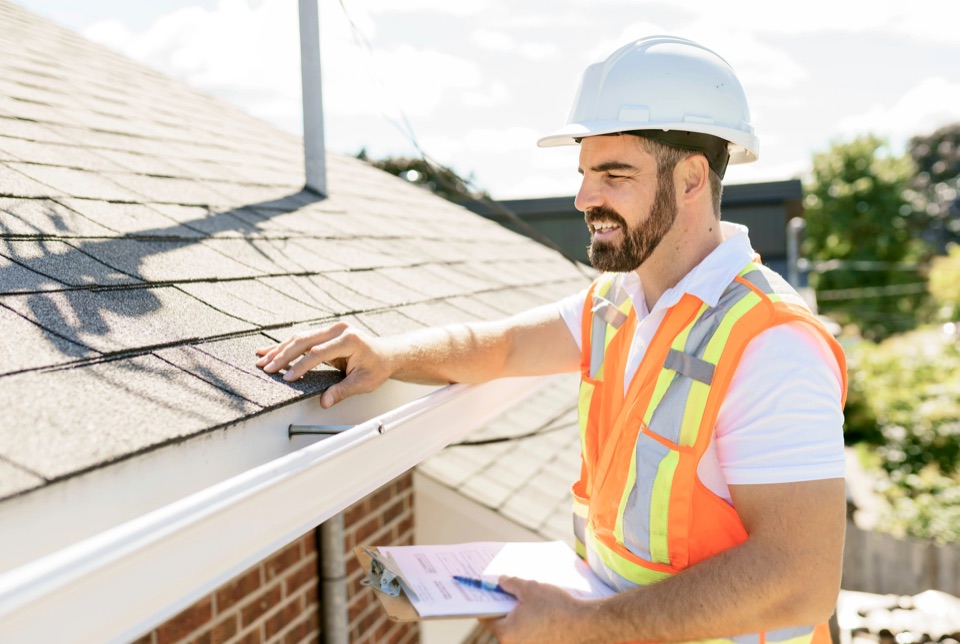
Online numbers help you budget. The most expensive surprises on a roof cannot be seen from a form or a satellite photo, which is why every Roof4Roof proposal follows a 40-point inspection with drone and satellite imagery and, where water is suspected, infrared moisture detection.
Soft, delaminated or rotten plywood adds material and labor. We probe from above and look from the attic below.
Water enters in one place and shows up in another. Finding the real entry point is the difference between a repair that works and one that does not.
Intake and exhaust are checked and measured. Bad ventilation cooks shingles in summer and builds ice dams in winter.
Chimneys, skylights, walls and valleys. Caulked flashing is a short-term patch; we price the metal.
Sagging, trapped moisture and prior poor installation are reviewed before the proposal is written, not after the tear-off.
Height, slope, staging, landscaping and where the dumpster goes all go into the labor plan.
The goal is not the smallest number on a quote; it is avoiding unnecessary work, emergency damage and a second replacement. Six things that actually lower what a roof costs you over its life.
An aging roof inspected before storm season is a planned project with options. The same roof after a leak is an emergency with tarps, interior damage and rushed decisions. Free inspection.
Isolated damage on a roof with life left is a repair. A flat roof with dry insulation is a coating at a third to a half of replacement. We quote the honest option, and both when it is close.
Wind, hail, fallen trees and ice damage are usually covered. We document the cause the way adjusters expect and meet them on the roof. Age and wear are not covered, so do not wait for a storm to fix a worn roof.
Twelve months with no interest and no payments, or a fixed payment over 10 or 15 years, costs less than another winter of leaks into the insulation and drywall. Financing plans.
Late fall and winter are quieter. A planned replacement in those months is often priced better and scheduled faster than one in May.
Gutters, skylights, a chimney crown or siding done with the roof share the crew, the staging and the dumpster. One project costs less than three, and the flashings lap correctly.
A clear next step takes the guesswork out. Have photos of the roof or the leak, the ceiling stains, the roof's approximate age, any insurance claim details and the previous repair history ready, and the first call goes faster.
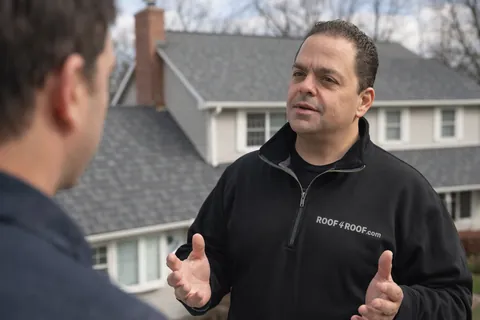
Call or send the form. We confirm the request, the address and whether water is coming in right now.
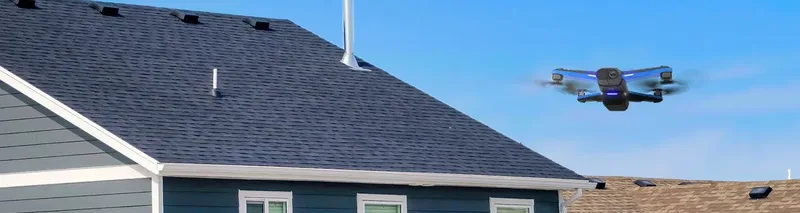
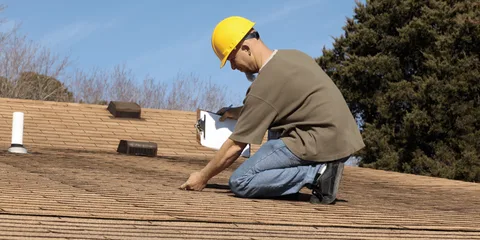
Usually within days; same day for leaks. The 40-point inspection, drone and satellite imagery, moisture detection where needed.
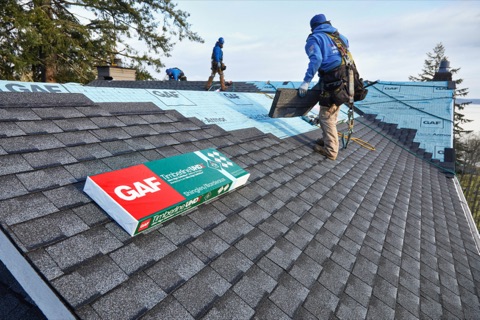
Findings with photos, scope line by line, materials by brand, warranty, timeline, price and the monthly figure on each financing plan.
No pressure, no expiring discount. Compare it with any other written proposal; we beat it on the same scope and warranty.
The cost questions we hear most, with the honest answers. More in the full FAQ.
Have a question not listed here? Call (201) 267-3000 or request an estimate.
Most residential replacements fall between $8,000 and $18,000, with large, steep or premium-material roofs going higher. The final price depends on size, pitch, material, tear-off, decking, flashing, ventilation, access and the warranty package.
No, and be careful of anyone who offers one. Online numbers and satellite measurements get the square footage right; they cannot see decking damage, hidden leaks, old layers, ventilation problems or flashing condition, which is where the real money sits. The estimator above gives you a range; the inspection gives you the price.
About $6 to $10 per square foot of roof surface installed, for architectural shingles with tear-off, synthetic underlayment, ice and water shield, new flashing and disposal. Designer shingles and the top warranty packages sit above that.
About $10 to $18 per square foot as a planning range for EPDM, TPO, PVC or modified bitumen, depending on insulation, drainage, penetrations, access and the warranty required. Restoration with a coating runs $5 to $8 when the roof qualifies.
Usually a third to a half of the cost, because there is no tear-off, no disposal and no new insulation. A roof with wet insulation, widespread membrane failure or poor drainage needs replacement instead, and a moisture scan tells us which before we quote.
Damaged decking, a second layer of shingles, chimney flashing and crowns, skylights at the end of their life, ventilation corrections, disposal, difficult access and emergency protection on a roof that is already leaking.
When the damage comes from a covered sudden event, wind, hail, a fallen tree or ice, usually yes, less the deductible. Wear, age and lack of maintenance are treated differently, and some carriers limit coverage on older roofs. We document the cause and meet the adjuster.
One to three days for most single-family homes. Larger houses, steep roofs, slate and tile, decking repairs and weather extend that. The house is never left open overnight.
Repair for isolated damage on a roof with remaining life; replacement when the roof is old, leaking in several places, failing across large areas or needing repeated repairs. Our report says which, with photos, and quotes both when it is close.
A new roof is consistently among the exterior projects with the best resale return, and a transferable manufacturer warranty is a line in the listing. Beyond that, the premium is in longevity: a lifetime shingle system or slate restoration simply does not need doing again in your ownership.
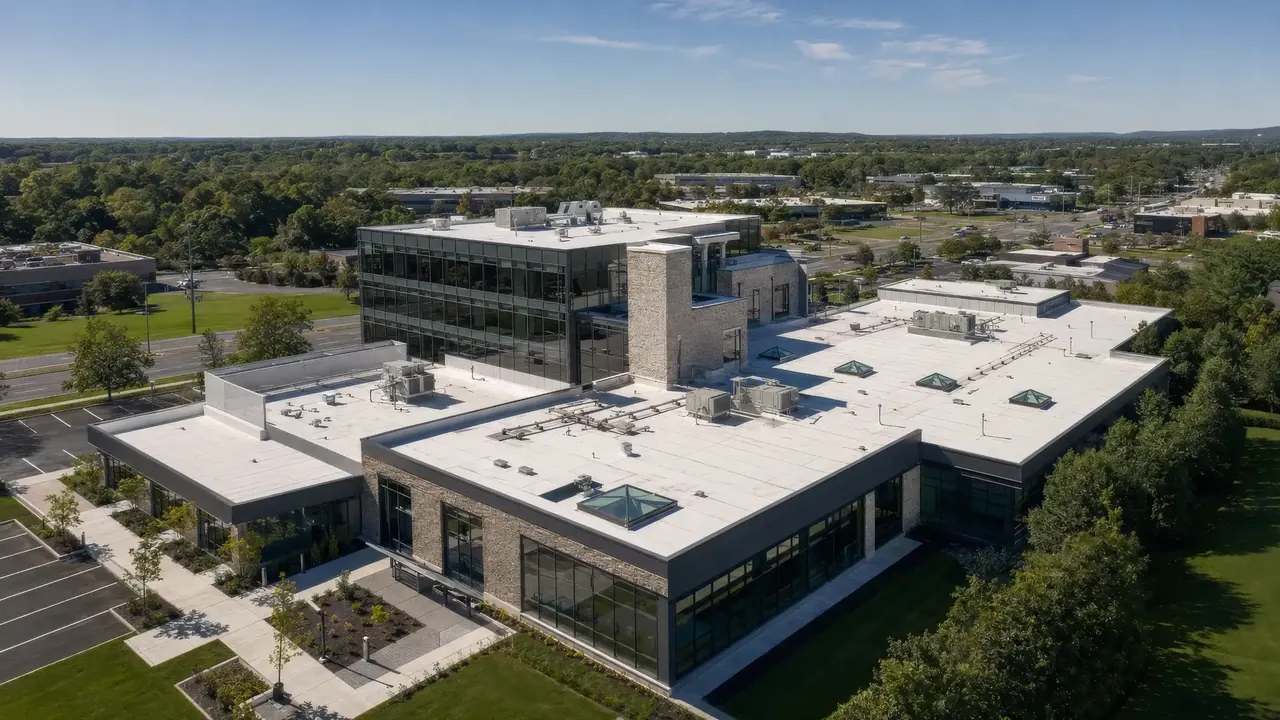
An inspection, the findings with photos, and a proposal that names the system, the warranty and the monthly payment. Bring any other quote; we beat it on the same scope.