If you are a homeowner looking for roofing services in Northern New Jersey, the current winter pattern is not just uncomfortable, it is actively destructive. The biggest threat is not the snow you can see, it is what happens after the snow.
This is the start of the ice-thaw cycle, a repeat loop of daytime melt and nighttime freeze that quietly forces water into places it should never reach. And once it gets in, it does not stop at your shingles or your gutters. It can soak insulation, rot decking, stain ceilings, compromise walls, and create the kind of “small leak” that turns into a major repair the moment spring rain shows up.
Below is what is happening, why it is happening, and what Roof4Roof recommends if you want to prevent winter roof damage before it becomes an emergency.
What the Ice-Thaw Cycle Actually Does to Your Roof
Here is the pattern that causes the damage:
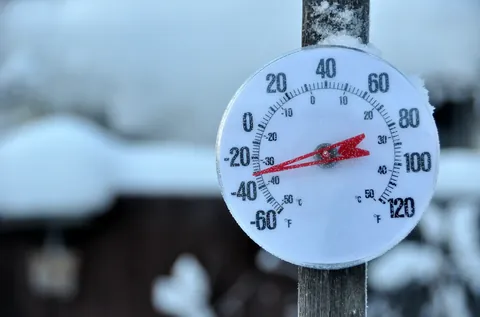
Daytime sun creates a partial thaw
Even when it feels cold, the sun warms parts of your roof. Snow and ice start to melt, and water begins flowing downward.Water runs toward the coldest edge, your eaves and gutters
The lower edges of the roof, especially above exterior walls, stay colder. That is where meltwater slows down.Nighttime temperatures drop and everything refreezes
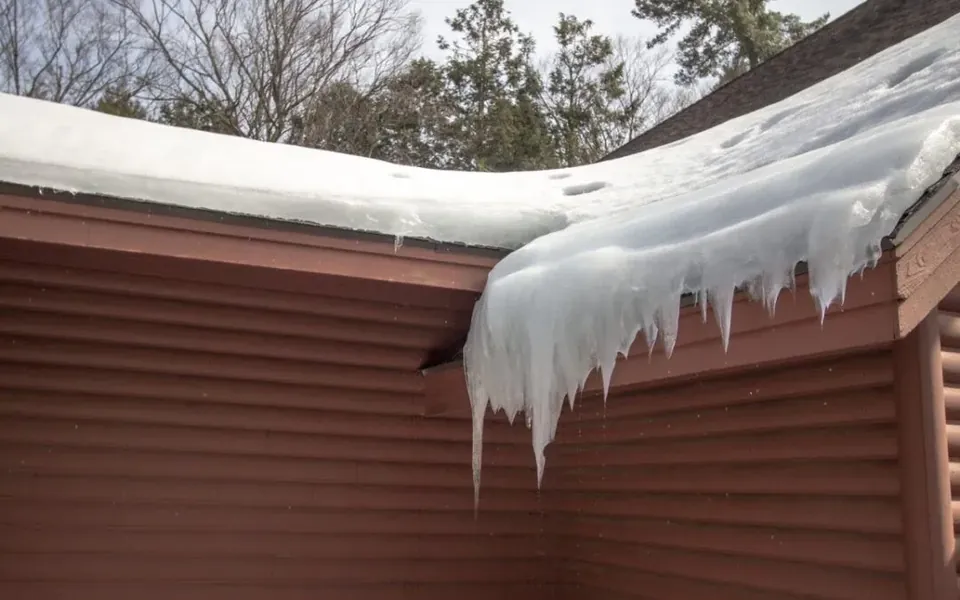
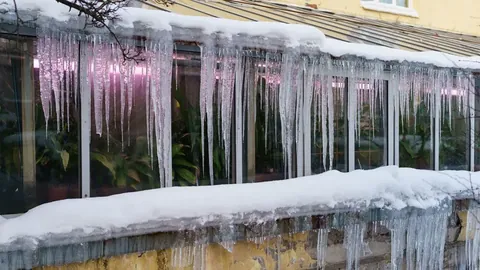
The meltwater refreezes at the edge and forms a thick ridge of ice called an ice dam.Ice dams trap more water behind them
Now new meltwater cannot drain properly. It pools behind the ice barrier and pushes back upward under your roofing.Water finds weak points, even tiny ones
This is the part homeowners never see until it is too late. Water works its way into small gaps, deteriorated sealants, nail penetrations, flashing edges, chimney transitions, skylight corners, pipe boots, and other “little holes” that were harmless during fall.
Those “minor issues” are now active entry points.
What the Ice-Thaw Cycle Actually Does to Your Roof
Here is the pattern that causes the damage:
Daytime sun creates a partial thaw
Even when it feels cold, the sun warms parts of your roof. Snow and ice start to melt, and water begins flowing downward.Water runs toward the coldest edge, your eaves and gutters
The lower edges of the roof, especially above exterior walls, stay colder. That is where meltwater slows down.Nighttime temperatures drop and everything refreezes
The meltwater refreezes at the edge and forms a thick ridge of ice called an ice dam.Ice dams trap more water behind them
Now new meltwater cannot drain properly. It pools behind the ice barrier and pushes back upward under your roofing.Water finds weak points, even tiny ones
This is the part homeowners never see until it is too late. Water works its way into small gaps, deteriorated sealants, nail penetrations, flashing edges, chimney transitions, skylight corners, pipe boots, and other “little holes” that were harmless during fall.
Those “minor issues” are now active entry points.
Why Ice Dams Are So Dangerous in New Jersey Homes
Ice dams are not just “frozen gutters.” They are a roof system failure caused by uneven roof temperatures and restricted drainage.
When water gets trapped and backs up, it can:
Soak the roof decking and cause hidden rot
Wet attic insulation and kill its R-value, meaning your home loses more heat and creates even more melt, even faster
Leak down rafters and trusses, then show up as stains on ceilings and walls
Damage fascia boards, soffits, and gutters
Trigger mold-friendly conditions in attics and wall cavities
Many homeowners only notice the problem when they see a ceiling stain, dripping near a window, or peeling paint. By then, the damage has usually spread beyond the exact spot where the leak appears.
The Roof Types Most at Risk During Freeze-Thaw Weather
Asphalt Shingle Roofs (Common Across North Jersey)
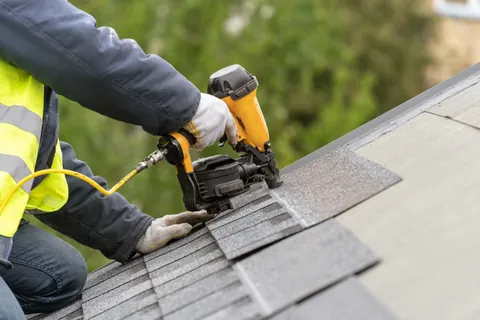
Shingles can become brittle in extreme cold, and repeated freezing can stress the sealants and edges. When ice builds up, the extra weight and the expansion of freezing water can cause cracking, lifting, and loosening over time.
If your home has a shingle roof, this is the moment to verify that your roof edges, flashing points, and ventilation are doing their job. If you want to learn more about this roof type and how it should be built and protected, see our page on shingle roof systems.
Slate and Tile Roofs (Beautiful, but Not Immune)
Slate and tile are durable materials, but they still rely on correct underlayment, flashing, and drainage design. Ice dams can force water into the underlayment layer, and if the system has aging components or poor transitions, leaks can occur even when the slate itself looks “perfect.”
If your property has slate or tile, make sure the inspection focuses on flashing lines, valleys, chimneys, and underlayment performance, not just broken tiles. Learn more here: slate and tile roofing.
Flat and Low-Slope Roofs (Commercial, Multifamily, and Some Homes)
Flat roofs face a different version of the same problem. Instead of ice dams at the edge, you often get freeze-thaw stress at seams, and blocked drains or scuppers that allow water to pond and then freeze.
If you manage a commercial property, multifamily building, or have a low-slope residential section, winter is when small membrane issues become expensive fast. See how Roof4Roof approaches these systems: flat roof services.
The Hidden Weak Points Ice Loves Most
During a freeze-thaw cycle, water is not “pouring through a hole.” It is creeping through vulnerabilities. The most common entry points we see in NJ include:
Flashing failures around chimneys, walls, and dormers
Pipe boots and cracked rubber seals
Skylight corners where sealants age and shrink
Roof valleys where water volume is highest
Gutter line backflow where ice dams push water upward
Nail pops and exposed fasteners in certain assemblies
Ventilation imbalance that warms the roof deck unevenly
The reason winter leaks feel “random” is because the water can travel along wood and framing members before it becomes visible inside the home.
“My Roof Is New, So I’m Safe” Not Always
Even newer roofs can be vulnerable if a few key elements are missing or underbuilt:
1) Ice and Water Shield Coverage
A proper ice and water membrane at eaves, valleys, and penetrations helps prevent backup water from entering the roof deck. If coverage is minimal or incorrectly installed, ice dams can still win.
2) Attic Ventilation and Insulation Balance
Poor ventilation allows warm air to heat the underside of the roof deck. That melts snow prematurely, creates more meltwater, and accelerates ice dam formation.
3) Flashing and Detailing Quality
A roof is only as strong as its transitions. Flashing is the difference between a roof that survives winter, and a roof that leaks every time the temperature swings.
Prevention That Actually Works During NJ Winters
Here are the most effective steps we recommend, depending on your roof type and condition:
Schedule a Professional Winter Roof Inspection
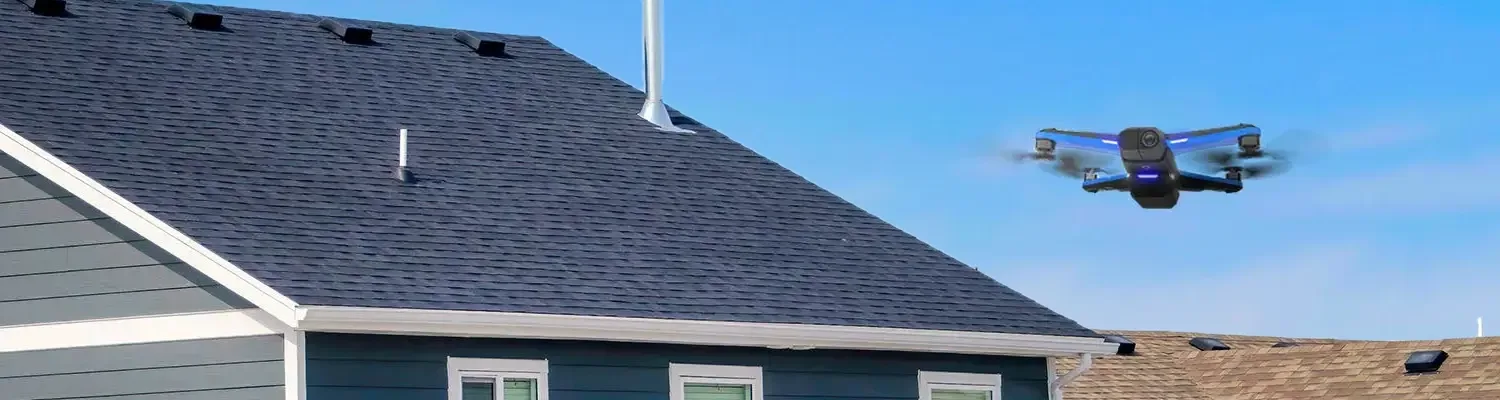
A winter inspection is not just “looking at shingles.” It is identifying heat loss patterns, drainage problems, and concealed moisture before it becomes a ceiling collapse.
Roof4Roof provides roof inspections, maintenance contracts, and emergency repairs tailored to seasonal risks in North Jersey.
Address Drainage, Fast
If gutters are clogged, mis-pitched, or packed with ice, the roof cannot drain. Water backs up and finds a way inside. The goal is to restore drainage safely and reduce the chance of refreeze at the edge.
Reinforce Vulnerable Roof Sections
Valleys, wall lines, chimney transitions, and penetrations often need targeted reinforcement, especially if sealants are aging or flashing is compromised.
Consider Protective Coating Systems (Especially for Flat Roofs)
For many low-slope and commercial systems, a properly selected coating can add protection against weather stress and extend roof life, especially when combined with regular maintenance.
If you manage a low-slope roof and want to explore options, see our roof coating systems page for details.
Expert Reality Check: Do Not Wait for the Ceiling to Fail
This is the pattern we see every year:
A homeowner notices a small drip during a freeze
It “stops” when the temperature shifts, so they ignore it
Weeks later, the next melt causes a bigger leak
By spring, the problem has expanded, insulation is wet, wood is compromised, and repairs cost far more than they would have in February
Whether you own a flat commercial roof in Whippany, a slate roof in Montclair, or a shingle roof in a typical North NJ neighborhood, winter water intrusion does not care about schedules, holidays, or how “fine it looked last year.”
Your Trust Powers a Mission Beyond the Roofline
At Roof4Roof, protecting your property during extreme weather is the job. But the impact goes further.
Our charitable actions are only possible when customers hire us and trust our results. When you choose Roof4Roof for emergency winter repairs, inspections, or a new roof system, you are helping fund our ability to give back to organizations like The Trevor Project, the Hyacinth Foundation, and Wynona’s House, supporting vulnerable members of our community during the harshest months of the year.
The Ice Is Forming, Get Ahead of the Next Thaw
The safest time to act is before the next melt refreezes and forces water deeper into your roof system.
If you are anywhere in North Jersey and want a winter inspection or urgent leak support, call Roof4Roof today at 201.267.3000 to schedule an emergency winter inspection.
FAQ Roofing
Roof4Roof: More Than Roofing, Your Questions Answered in July

Giving Back
Roof4Roof and the Heed the Call World Missions – Our Commitment to Global Communities by a Recent Mission to the Dominican Republic